More Human Than Human - On Serifs and Colors at the Advent of AI
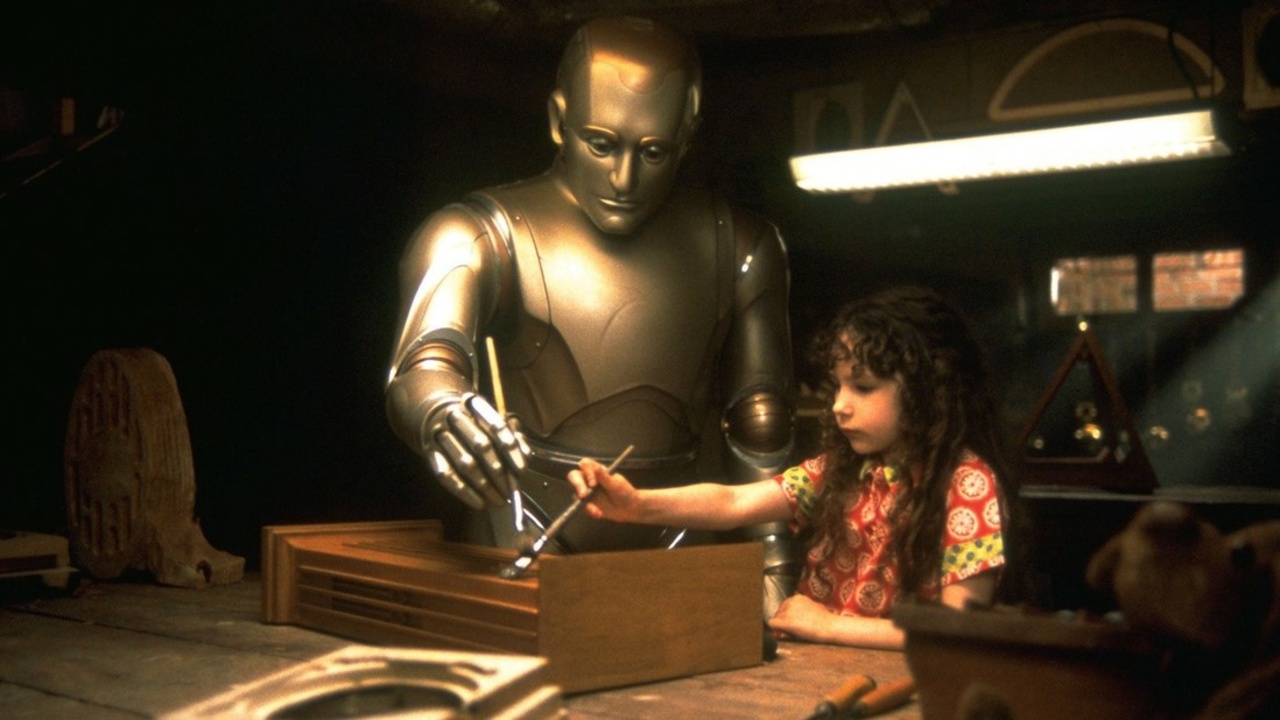
“More human than human” was the motto of a fictional corporation that built machines indistinguishable from us. Three decades later it reads less like science fiction and more like a product brief. We now type a sentence and a machine returns a finished layout — grids aligned, contrast balanced, copy written. The uncomfortable question for anyone who designs for a living is simple: if the machine can do the obvious, what is left that is ours?
I think the answer hides in two of the oldest, most stubbornly human decisions in our craft: the shape of letters and the choice of color.
Serifs remember where they came from
A serif is a small thing — a stroke at the end of a stroke. But it carries memory. Serifs are the ghost of the chisel and the broad-nib pen, the trace of a hand that pressed harder here and lighter there. When you set a paragraph in a serif face, you are quietly invoking centuries of people who read by candlelight and printed by hand.
Sans-serif faces stripped that away in the name of clarity and modernity, and they were right to — for a while. But a model trained on the entire visual web defaults to the safe, the average, the frictionless. It gives you the font equivalent of a hotel lobby: clean, competent, forgettable. Choosing a serif today is no longer nostalgia. It is a small act of insistence that the text was set by someone who cared where the eye lands.
Color is an argument, not an output
Ask a machine for “a nice color palette” and you will get a defensible one. Defensible is not the same as meaningful. Color is where a brand decides how it wants you to feel before you have read a single word — and feeling is contextual, cultural, and a little irrational.
The teal and amber I use here are not optimal. They are a decision: cold and warm held in tension, a studio that builds precise things but refuses to be clinical about it. A model can interpolate between every palette ever published. It cannot want one of them to be true.
What is left for us
Generative tools are extraordinary at the middle of the work — the production, the variations, the tireless filling-in. What they cannot do is hold an intention. They have no childhood, no city they grew up in, no argument they are trying to win with a layout.
So the job shifts. Less time pushing pixels, more time deciding why the pixels should sit that way at all. The serif that says this was considered. The color that says this was meant. The machine makes us faster; taste makes us human. The motto turns out to be a warning and an invitation at once — and the only way to stay more human than the machine is to be more deliberately human than we have ever bothered to be.